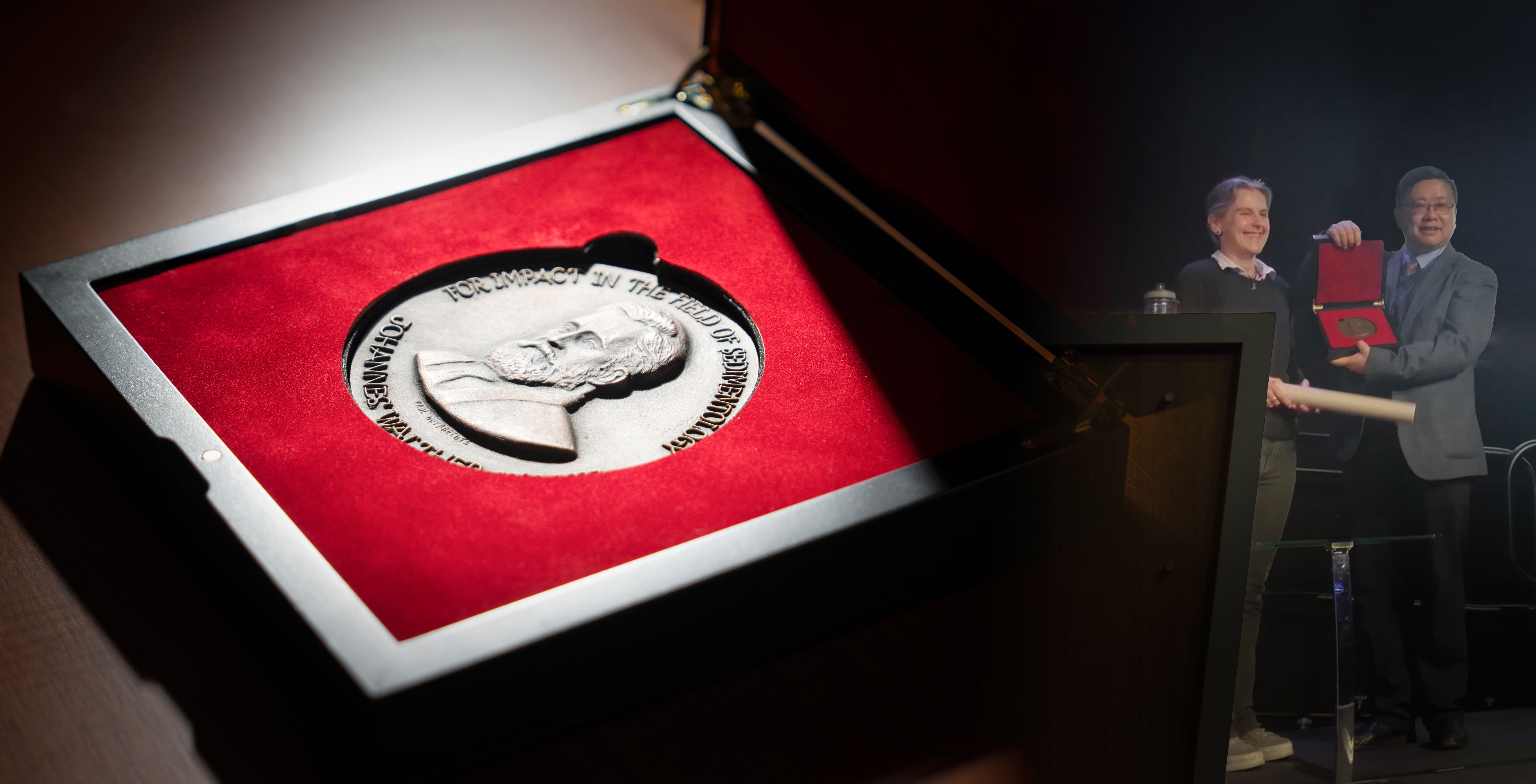
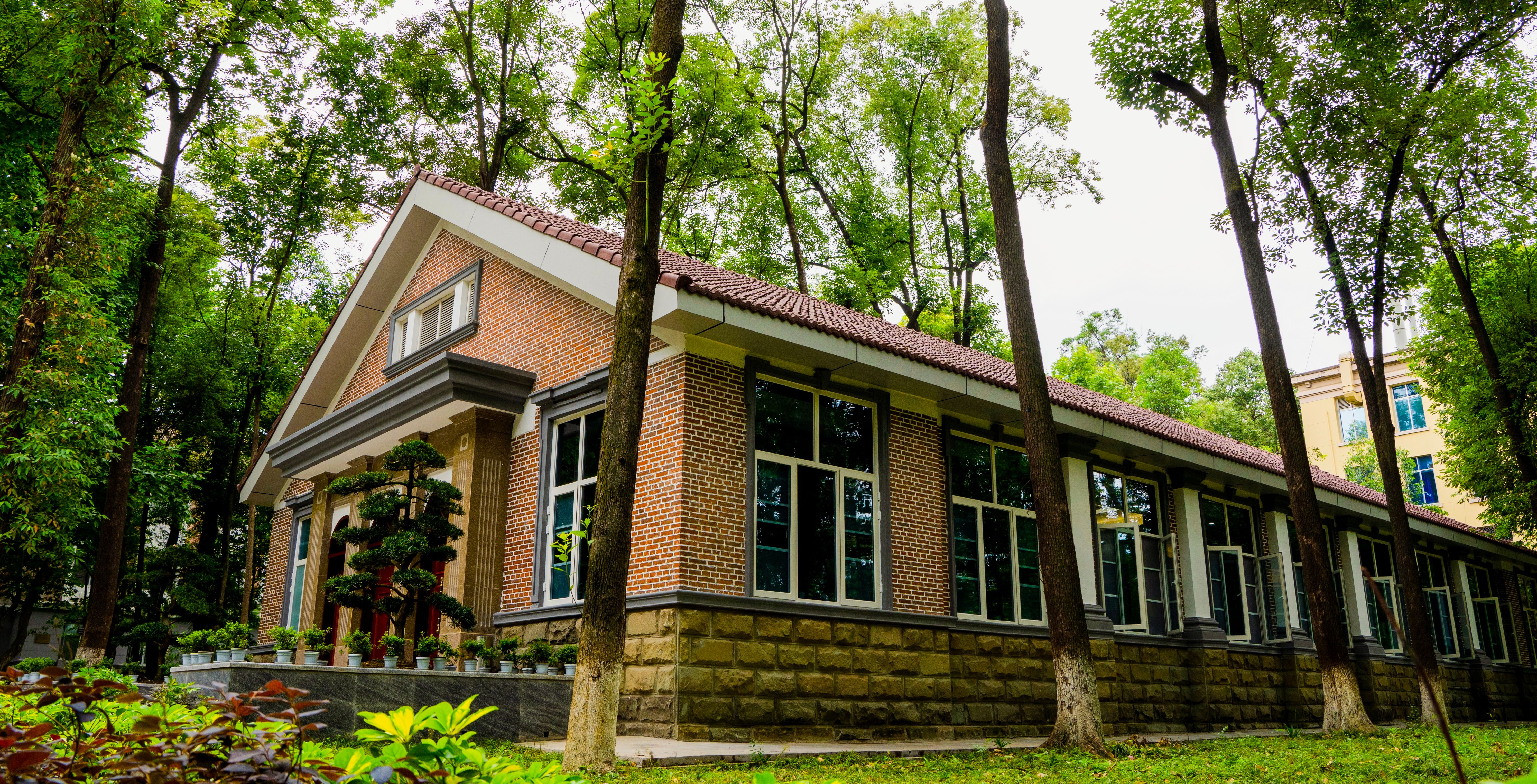
In today’s globalized world, which is filled with both opportunities and challenges, educational platforms with a broad international outlook are of paramount importance. A distinguished academic environment not only enables the accumulation of knowledge but also offers students extensive career development opportunities on the global stage. This year, CDUT embarked on an international collaboration with the Dresden University of Technology (TUD) in Germany, launching the 2+1+2 dual degree program and the 3.5+0.5+X bachelor’s-to-master’s program (tuition-free) in cooperation with TUD’s TUDIAS.
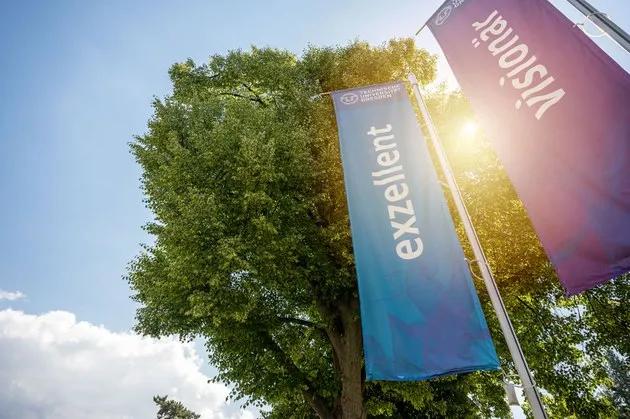
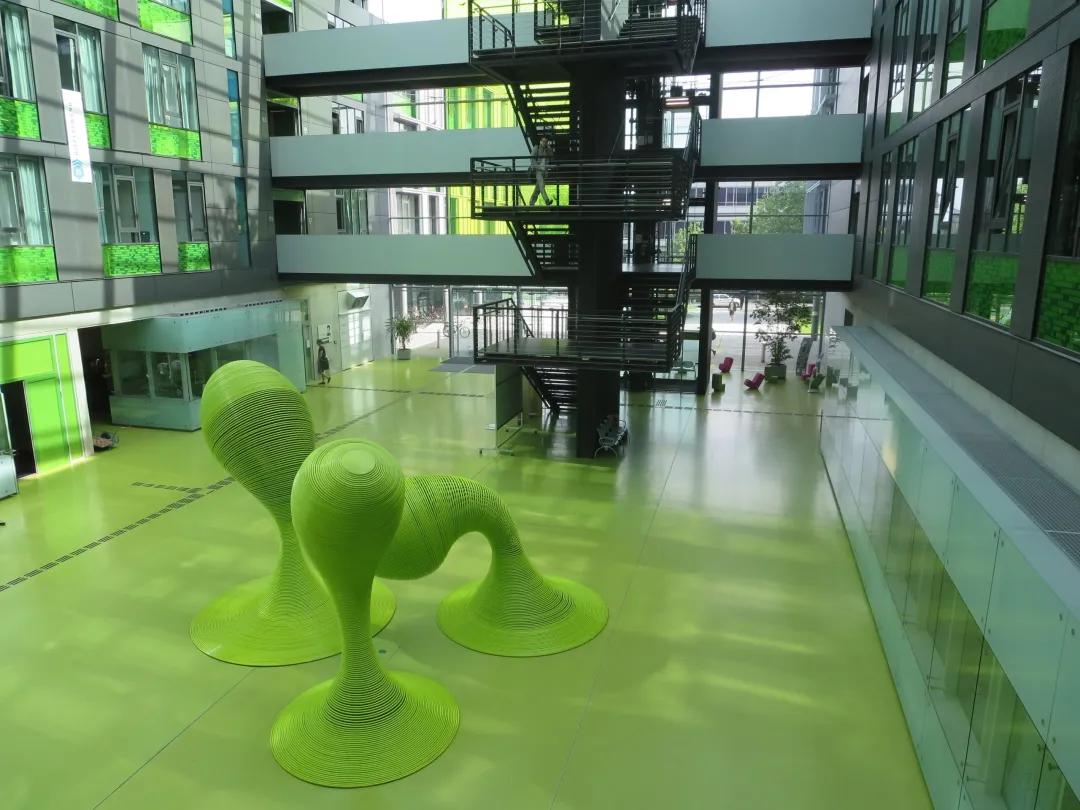
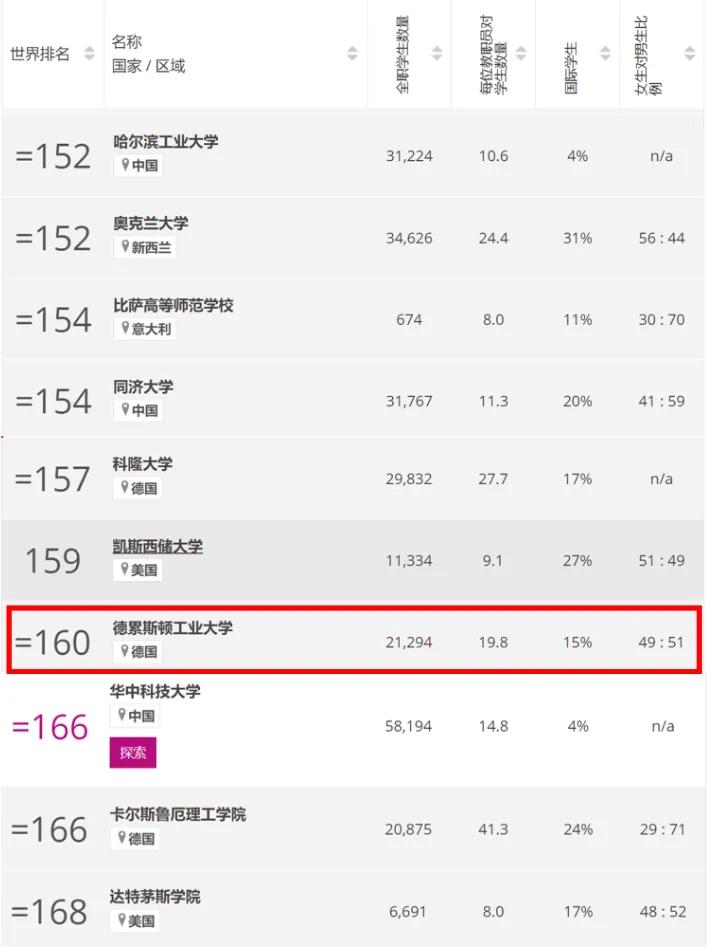
Founded in 1828, TUD is located in Dresden, the capital city of the German state of Saxony. It is the largest university in the state and one of the oldest technical universities in Germany and Europe. TUD offers a wide range of disciplines, including engineering, natural sciences, medicine, management, and the humanities and social sciences, and plays a prominent role in the German higher education landscape. TUD enrolls 21,294 full-time students, with international students constituting 15% of the student body. It employs over 9,000 faculty and staff members from 70 different countries.

TUD is a member of the TU9, a consortium of Germany’s leading technical universities. It is also a partner in the DRESDEN-concept Science and Innovation Campus. Dresden is currently recognized as “Europe’s Silicon Valley.” Additionally, TUD is one of six institutions in Europe included in Qualcomm Innovation Fellowship, joining prestigious institutions such as the University of Cambridge, Imperial College London, ETH Zurich, RWTH Aachen University, and Delft University of Technology.
Since 2012, TUD has been recognized as a University of Excellence in Germany. This designation highlights TUD’s exceptional performance and further strengthens its research and innovation capabilities. Through the “TUD 2028 - SYNERGY AND BEYOND” excellence proposal, TUD successfully reaffirmed its status as a University of Excellence in 2019.
World Rankings of TUD:
Times Higher Education Ranking 2025: 160th
QS World University Rankings 2025: 234th
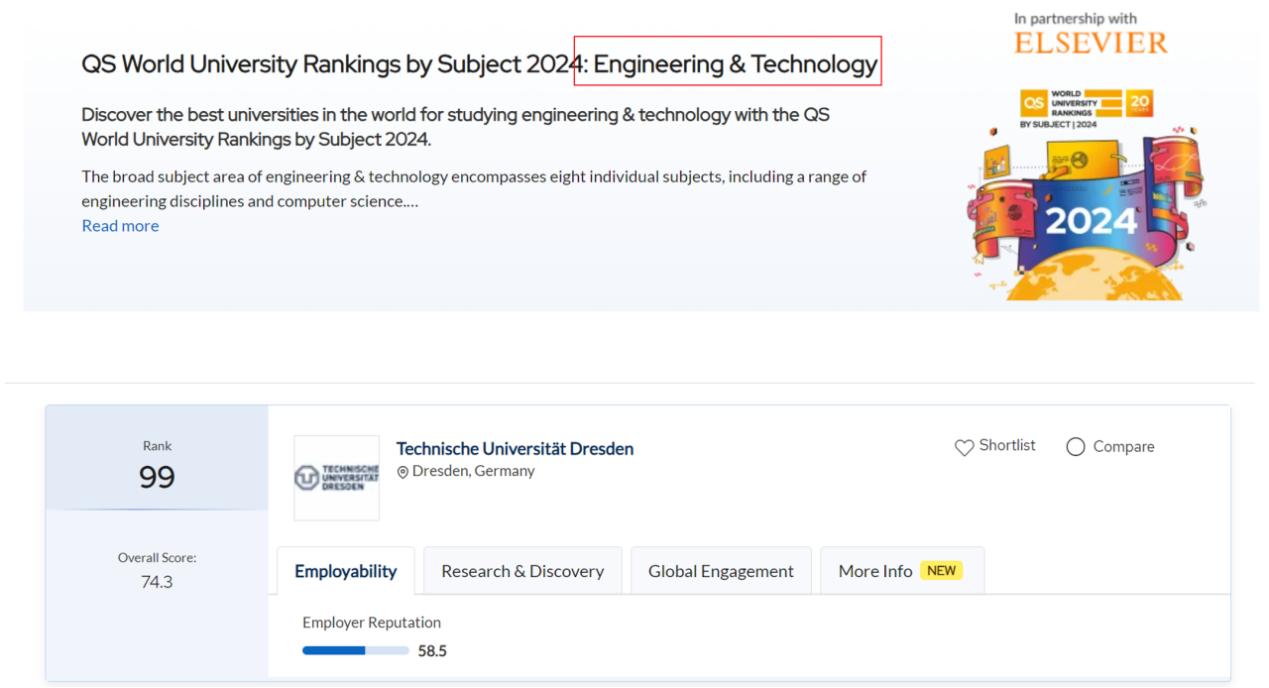
QS World University Rankings by Subject 2024:
Engineering and Technology
Dresden University of Technology: 99th
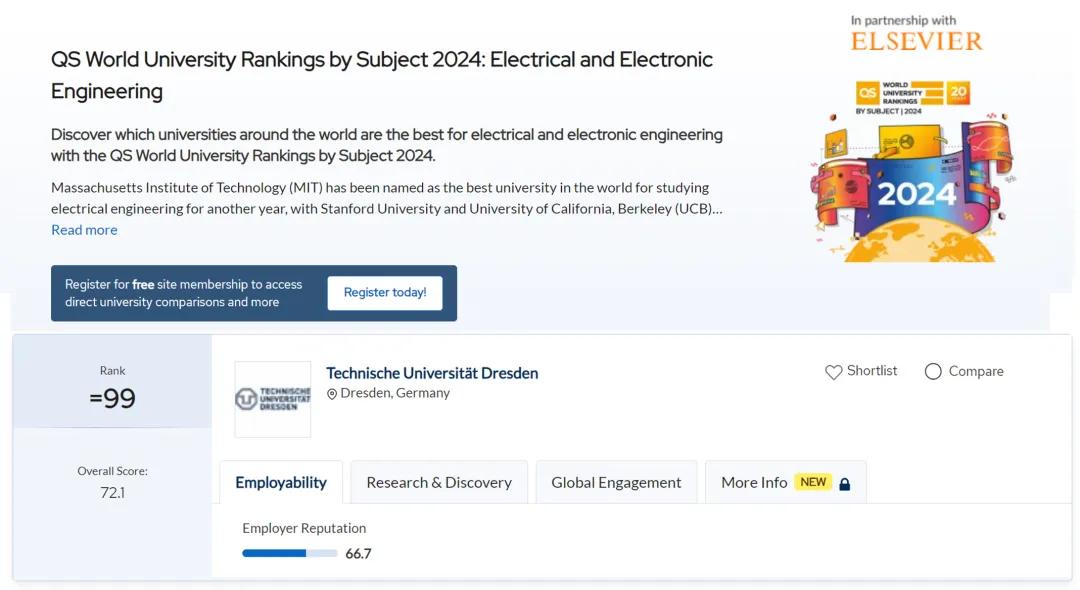
QS World University Rankings by Subject 2024:
Electrical and Electronic Engineering
Dresden University of Technology: 99th
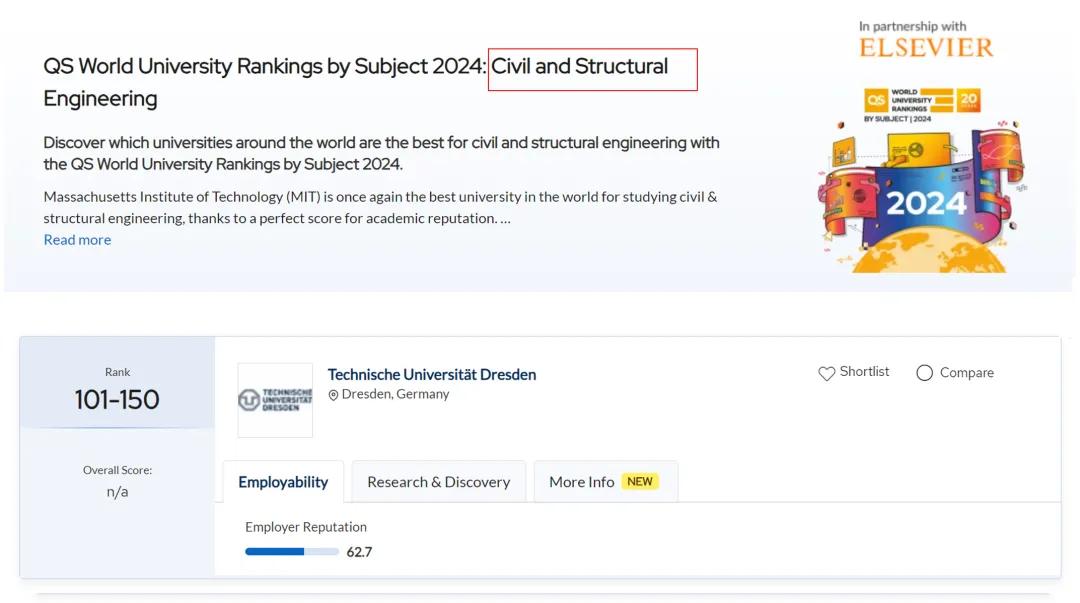
QS World University Rankings by Subject 2024:
Civil and Structural Engineering
Dresden University of Technology: 101-150th
In the 2018 Academic Ranking of World Universities (ARWU), the Materials Science and Engineering, Nanoscience and Technology (Microelectronics and Nanoelectronics) program was ranked in the top 45 globally and first in Germany.
TUD Academic Programs
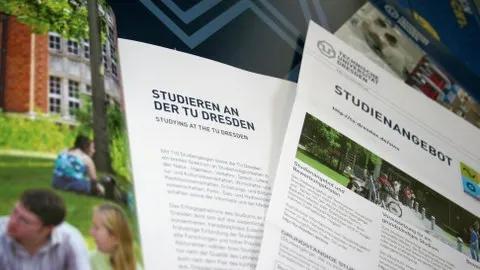
TUD offers a comprehensive range of teaching and research across five core fields: mathematics and natural sciences, engineering sciences, humanities and social sciences, architecture and environmental sciences, and medicine. TUD consists of 17 faculties, offering a total of 119 research programs.
TUD conducts cutting-edge research in five primary areas:
1. Health sciences, biomedical sciences, and bioengineering
2. Information technology and microelectronics
3. Materials science and materials engineering
4. Energy, transportation, and environmental studies
5. Culture and social change
Notably, its programs in microelectronics, electrical engineering, mechatronics, computer science, mechanical engineering, industrial engineering, materials science, and civil engineering are among the most distinguished in Germany.
CDUT Enrollment Programs
Undergraduate Programs:
Chemistry, Geodesy and Geographic Information Science, Geography, Hydrology, Informatics, Mechanical Manufacturing, Mathematics, Media Informatics, Physics, Process Engineering and Natural Product Technology, Materials Science, Economic Mathematics
Combined Bachelor’s-Master’s Degrees:
Civil Engineering, Electrical and Electronic Engineering (with specializations in Automation, Measurement and Control Technology; Electronic Energy Technology; Instrumentation and Microelectronics Technology; Information Technology; Microelectronics), Informatics (with specializations in Theoretical Informatics, Technical Informatics, and Artificial Intelligence), Information Systems Technology, Mechanical Manufacturing, Mechatronics, Renewable Energy Systems, Process Flow Technology and Natural Materials Technology, Transportation Engineering, Economic Computing, Industrial Engineering, Materials Science.
CDUT and TUD Program Overview
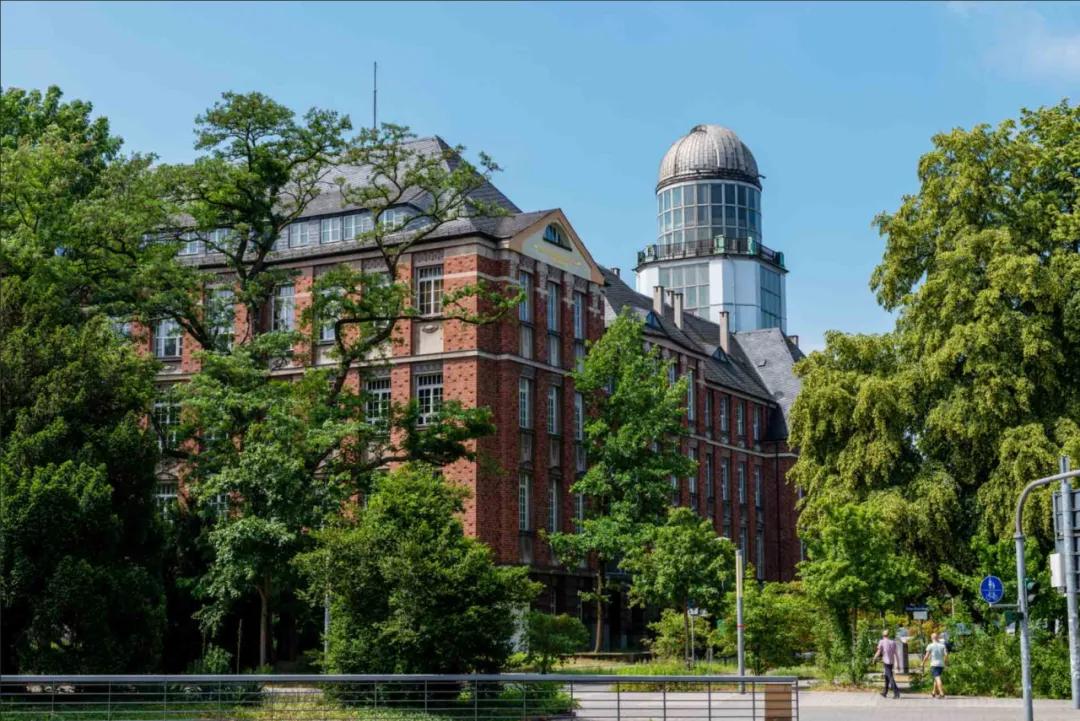
Combined Bachelor’s-Master’s Program (DIPLOM Program)
[3.5+0.5+X (2.5-3) years]
Students will complete 3.5 years of specialized study at CDUT before spending 0.5 to 1 year at TUD to study German. Upon passing the required German language proficiency exams and successfully defending their undergraduate thesis at CDUT, students will be awarded the CDUT Undergraduate Diploma and the CDUT CERTIFICATION OF THE BACHELOR’S DEGREE. Students will then proceed to the Diplom Master’s program at TUD. After successfully defending their Diplom Master’s thesis, they will receive the Diplom degree conferred by TUD.
Joint Bachelor’s Dual Degree Program
[2+1+2 Dual Degree Program]
Students will complete 2 years of specialized study at CDUT, followed by 0.5 to 1 year of German language study and passing the required German language exams at TUD. Subsequently, students will enter the relevant undergraduate program at TUD, with an expected study duration of 2-3 years (subject to the actual completion time). Upon successful defense of their undergraduate thesis at both CDUT and TUD, students will be awarded the CDUT Undergraduate Diploma, CDUT CERTIFICATION OF THE BACHELOR’S DEGREE, and the corresponding “Bachelor’s Degree” from TUD.
Advantages of the TUD Program
Dual Degree Program: Graduates earn degrees from both CDUT and TUD.
Combined Bachelor’s-Master’s Program: No need for graduate entrance exams; students can directly proceed to the Master’s level at a globally renowned institution.
High Value of German Diplomas: The German degree is highly regarded, offering distinct advantages in both language proficiency and professional expertise, thus enhancing career competitiveness.
Low Tuition Fees: Germany’s policy of tuition-free education makes studying abroad more affordable, offering excellent cost-performance while conferring a high-value degree.
Germany’s Prominent Technological and Economic Strength: Known for its leading position in technology and science, Germany remains the top destination for engineering and science-related studies.
Contact Info:
Ms. Zhang: 155 2827 3442
Chengdu Campus Address: Room 8104, College of International Education (Oxford Brookes College), Building 8, Chengdu University of Technology
Yibin Campus Address: Room 314, Administrative Building