From April 10 to 13, Chengdu University of Technology (CDUT) successfully hosted the 13th National Symposium on Field Practice Teaching Bases in Geoscience. During the event, CDUT joined four other universities to launch the Geoscience Digital Resource Co-construction and Sharing Alliance (hereafter referred to as “the Alliance”). The symposium was guided by the Geological Education Research Branch of the Geological Society of China (GSC) and organized by CDUT.
Under the theme “Co-Constructing and Sharing Geoscience Field Teaching Bases in the Era of Digital Intelligence,” the symposium gathered over 160 experts and scholars from 34 institutions, including China University of Geosciences (Beijing and Wuhan), Jilin University, Northwest University, and University of Chinese Academy of Sciences. Key attendees included Ma Junjie, Deputy Director of the University Council at China University of Geosciences (Beijing); Liu Qingyou, Party Secretary of CDUT; Ren Yunsheng, President of the Institute of Disaster Prevention; and Liu Dameng, Vice President of China University of Geosciences (Beijing), Vice Director and Secretary-General of the Geological Education Research Branch of the GSC. Zeng Guoqiang, CDUT Vice President and Member of the Party Committee, presided over the meeting.
In his welcome address, Liu Qingyou thanked the GSC for its support and highlighted the university’s efforts in developing practical teaching bases such as Majiaoba, Mount Emei, and Miyi, as well as observation sites under the Ministry of Natural Resources. He emphasized the significance of the newly founded Alliance, which aims to build a digital platform and foster talent development through collaboration and innovation to better serve national strategies.
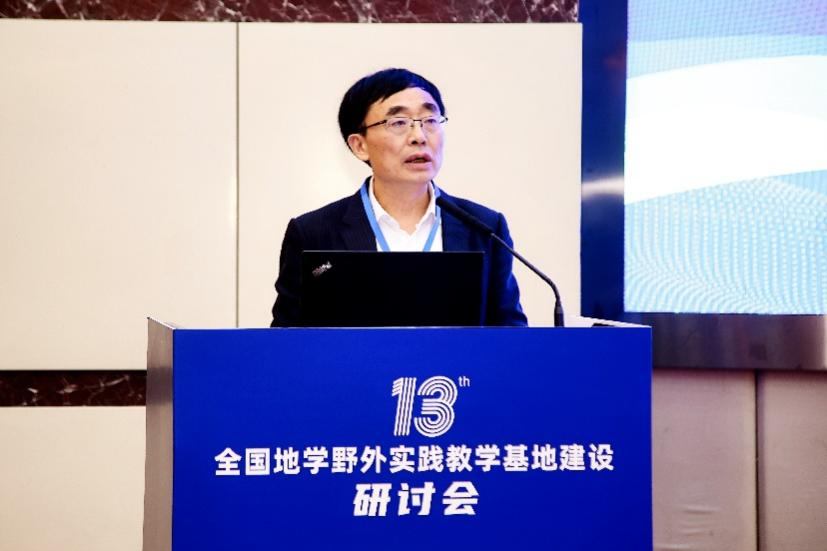
Liu Qingyou delivering his speech
Representing the Society, Liu Dameng reflected on the history and importance of geoscience practice base development and the challenges and opportunities facing geological education. He praised the symposium and the founding of the Alliance as a timely and strategic initiative, encouraging member universities to leverage digital technologies and AI to co-create and share geological teaching resources. By complementing each other’s advantages, this initiative aims to make a greater contribution to nurturing innovative talent in China’s geological sciences.
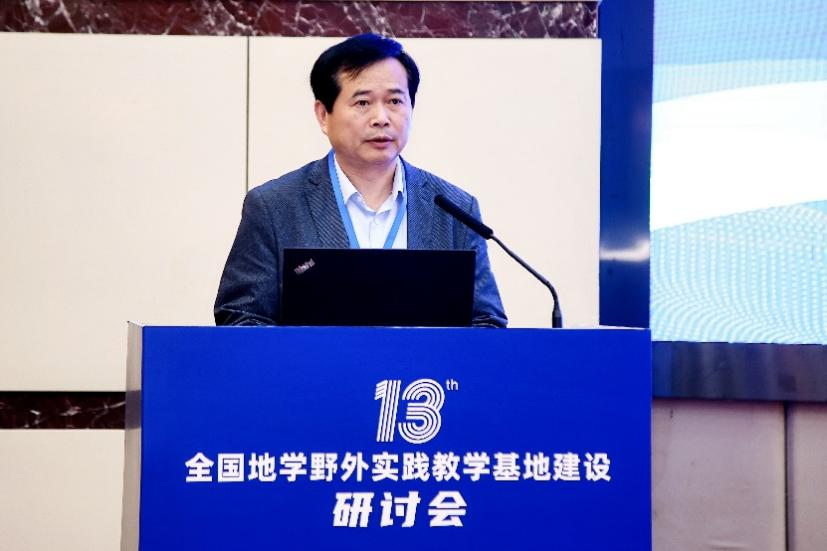
Liu Dameng delivering his speech
Next, twelve experts delivered in-depth presentations on the symposium’s theme, leading to valuable discussions and broad consensus on digital resource sharing in field practice education.
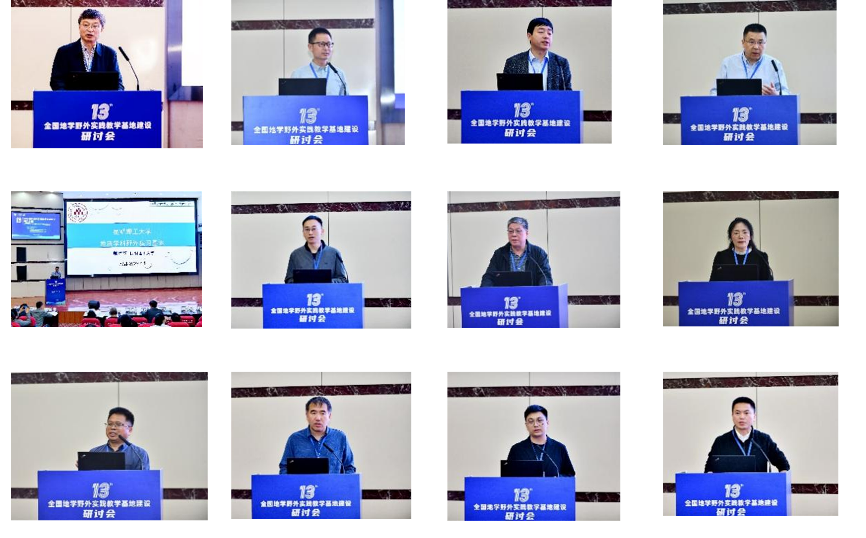
Presentations during the symposium
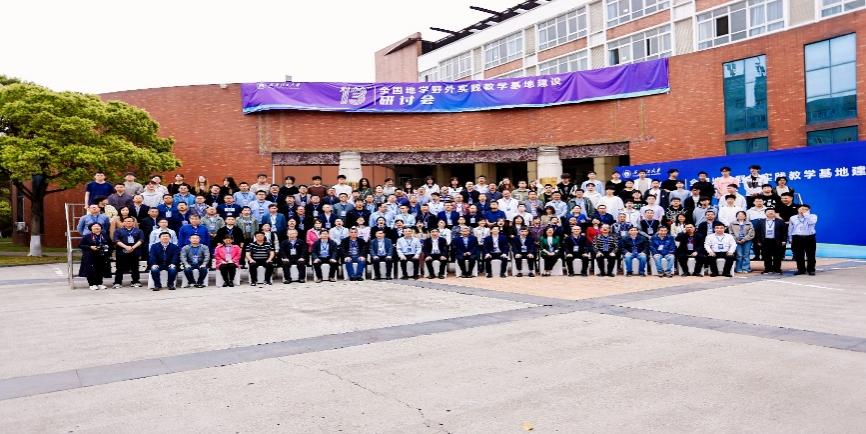
Group photo of symposium participants
On April 11-12, participants visited CDUT’s Mount Emei Practice Base, engaging in detailed discussions on the region’s geological features and key teaching routes. Experts widely agreed that Mount Emei offers rich geological diversity, distinctive features, and excellent teaching conditions, making it one of China’s top geoscience practice bases. They also gave high recognition to the achievements of the base’s development and reform efforts.
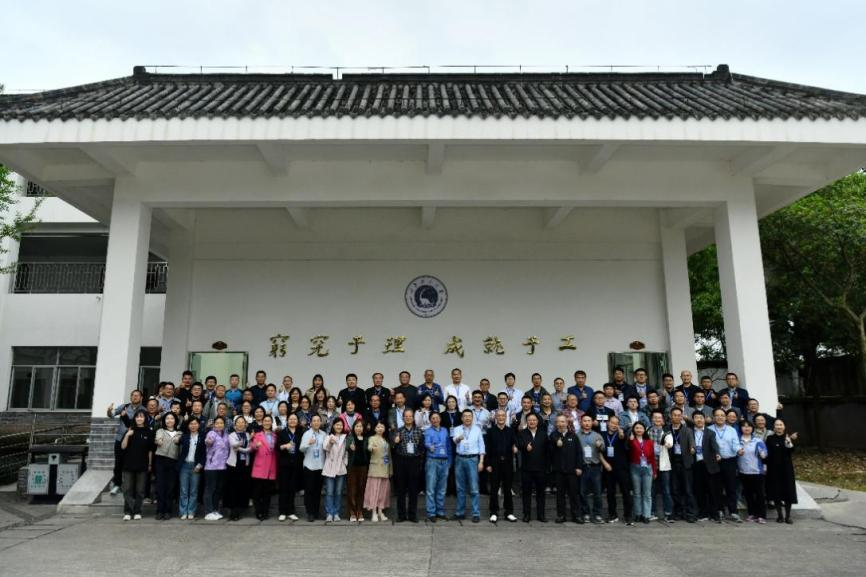
Group photo of experts at the Emei Practice Base
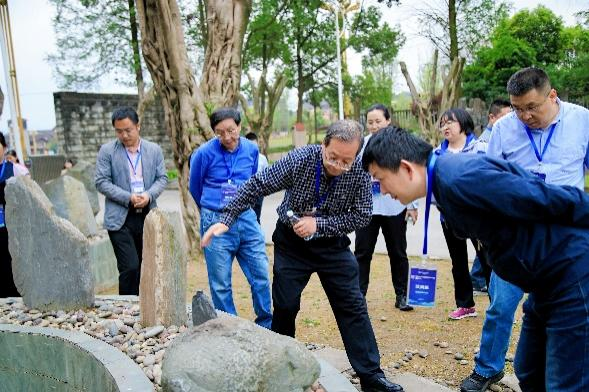
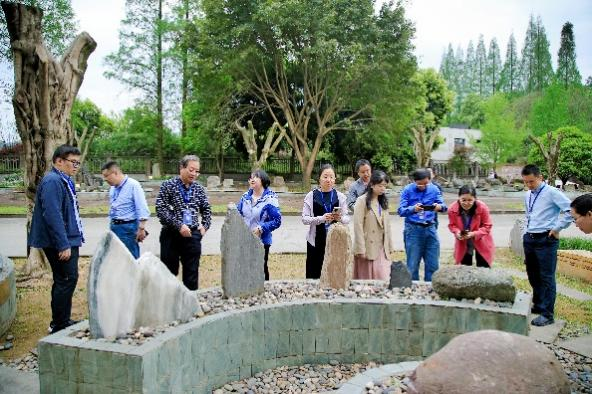
Visit to the specimen garden
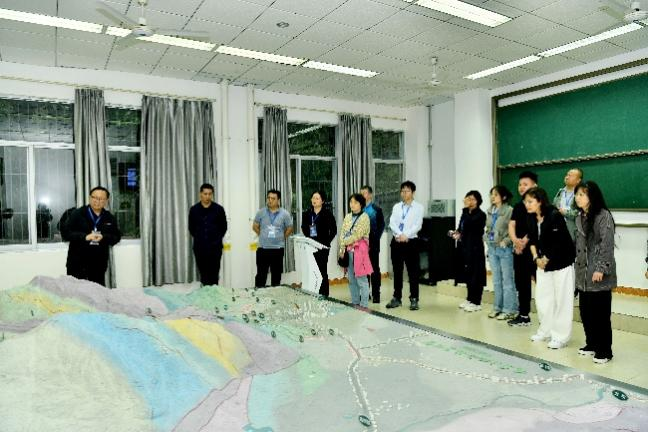
Viewing a topographic model
At the symposium, CDUT, together with China University of Geosciences (Beijing and Wuhan), Jilin University, and Northwest University, officially launched the Geoscience Digital Resource Co-construction and Sharing Alliance. As China’s first alliance focused on digital resource development in geoscience education, it has already attracted over 20 institutions. The Alliance will promote standard-setting, resource integration, and platform building to foster teaching innovation and improve geoscience talent development in alignment with national needs.
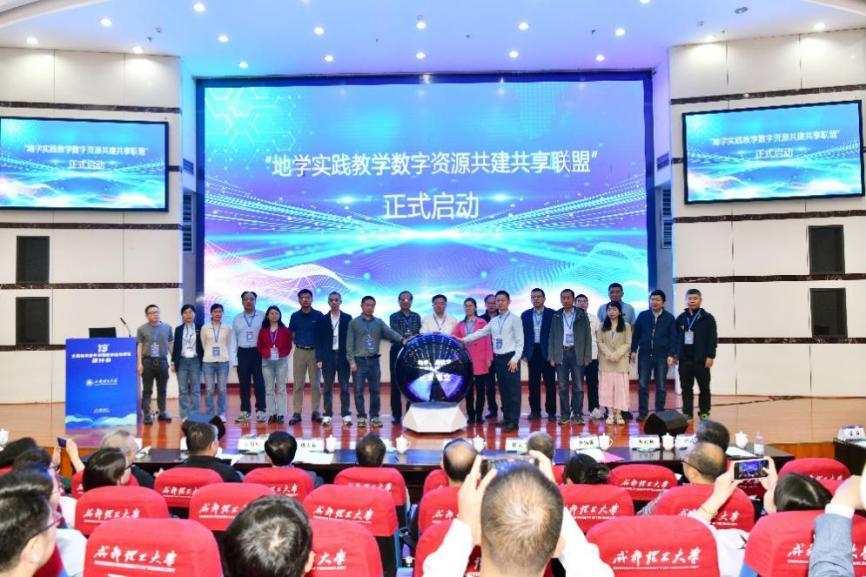
Launch ceremony of the Geoscience Digital Resource Co-construction and Sharing Alliance
The success of this symposium marks a major step forward in enhancing CDUT’s geoscience field practice infrastructure and digital teaching resources, laying a solid foundation for cultivating innovative talent and advancing the university’s “Double First-Class” development goals.