A Special Academic Salon is Held during National Sedimentological Congress to Promote Discipline Development
Focusing on Solving "Pain Points" in Shale Gas Development with Big Science in the Data Era
Grandly opened on April 3rd in Chengdu, the three-day 7th National Sedimentological Congress will bring about nearly 1,000 presentations for scholars across the country and can be called a "feast" in the field of sedimentology. As the host, in order to further promote better and faster development of sedimentology and create an open and innovative academic exchange atmosphere, Chengdu University of Technology (CDUT) arranged a special salon on the evening of April 3rd to further facilitate interdisciplinary integration and domestic and international cooperation and promote sedimentology development.
At the special salon, Academician Cheng Qiuming of the Chinese Academy of Sciences presented the Big Science in the Data Science Era - Deep-time Digital Earth Program. According to him, in the new era, the integration of multiple disciplines and fields in earth sciences can effectively solve major issues such as resources, energy, environment and disasters and support the new mission of global sustainable development. He analyzed the new ideas for earth science research as a result of the development of big data technology and artificial intelligence technology and discussed the new challenges for the paradigm shift in earth science research in the new era. He said that through a quantitative comparative analysis of the U-Pb ages of five major detrital zircons in the world and other isotope databases, his team used the local singularity theory and method to establish a mantle cooling model and magma activity intensity model, to reveal the law of flux changes in deep-time significant magmatic events.
Initiated by Chinese scientists in 2018, the Deep-time Digital Earth Program (Program) is not only an important symbol of China's building of a country of innovation and a world leader in science and technology but also is of positive and far-reaching significance to strengthening China's sci-tech innovation strength and improving its voice in international discourse. Cheng Qiuming said that the Program quickly gained widespread recognition and consensus in the international scientific community after it was proposed; the Program became a big science program of the International Union of Geological Sciences (IUGS) in 2019, has attracted 26 international institutions from the U.S., the UK, South Korea, India and other countries to join as members and is expected to become the first global open-science flagship program under UNESCO.
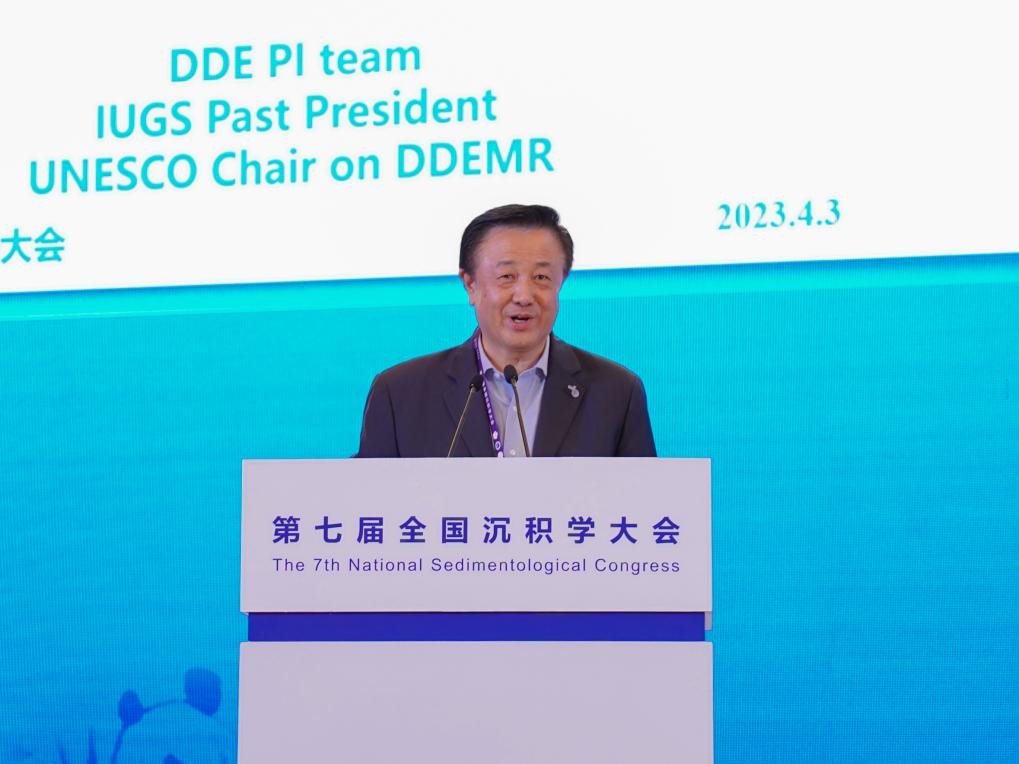
Academician Cheng Qiuming Presenting the Results
Then, Academician Zou Caineng of the Chinese Academy of Sciences presented the Status, Challenges and Prospects of Shale Gas Development. He focused on the status, challenges and response strategies for shale gas development in China. He said that shale gas is the main force driving the growth of global natural gas production and China has abundant shale gas resources, with the number of standards for shale gas geological exploration increasing significantly. He said that theoretical technologies are being constantly innovated in China, to provide a theoretical foundation for shale gas development and the challenges it faces.
Commercial shale gas development has been achieved in the Sichuan Basin in China, however, as to how to solve bottlenecks and achieve the large-scale beneficial development of unconventional oil and gas in China, Zou Caineng believes that industrial development can be successfully achieved through hydraulic fracturing transformation of marine shale gas horizontal wells and he said that in-situ heating and transformation of continental shales and coal rocks to form shale oil and gas and coal rock oil and gas may be a strategic new revolution for unconventional oil and gas in China.
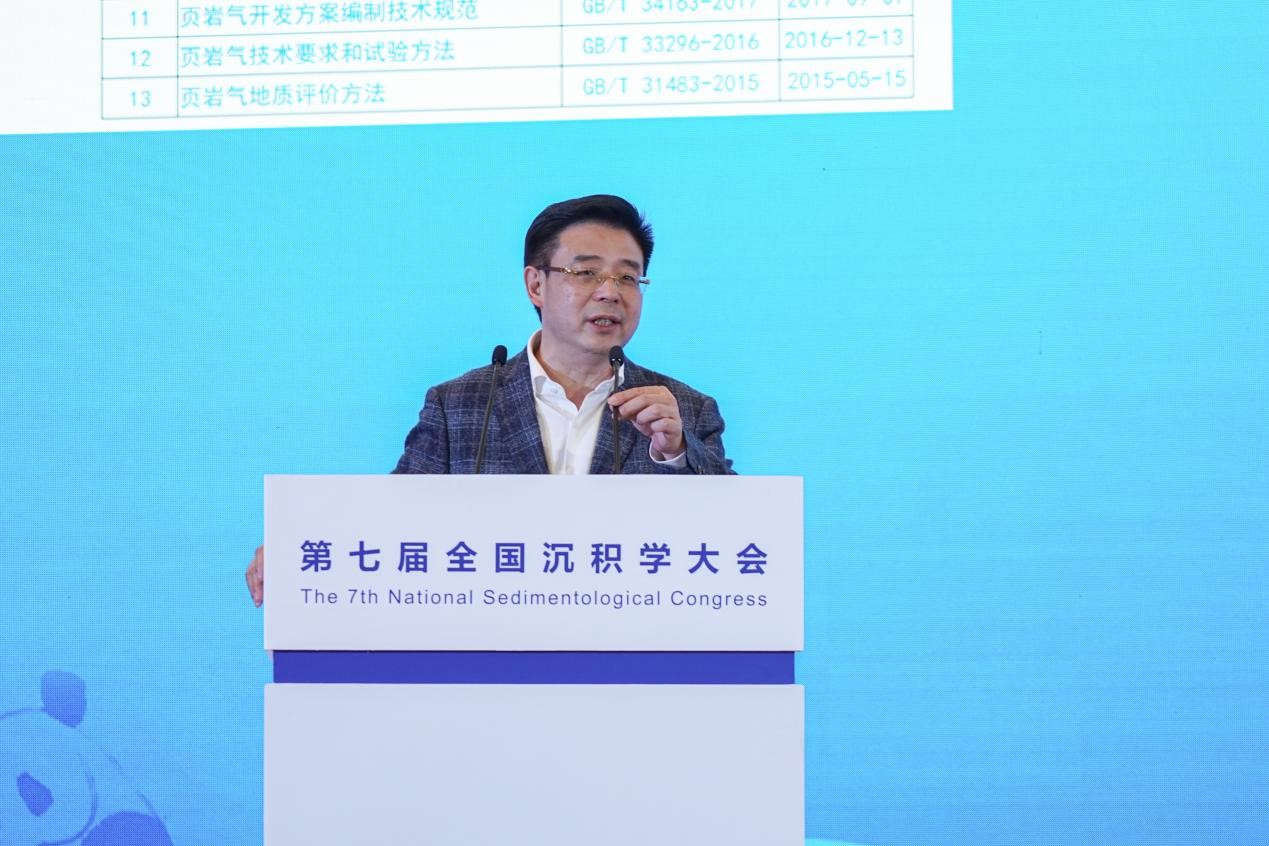
Zou Caineng
Ma Suping, editorial director of Acta Sedimentologica Sinica, gave a special report on the 40th anniversary of the founding of the journal. She reviewed the journal's 40 years of hard work and joy with a myriad of earth science researchers, which gathered confidence and strength for numerous researchers to write another splendid chapter in the future.
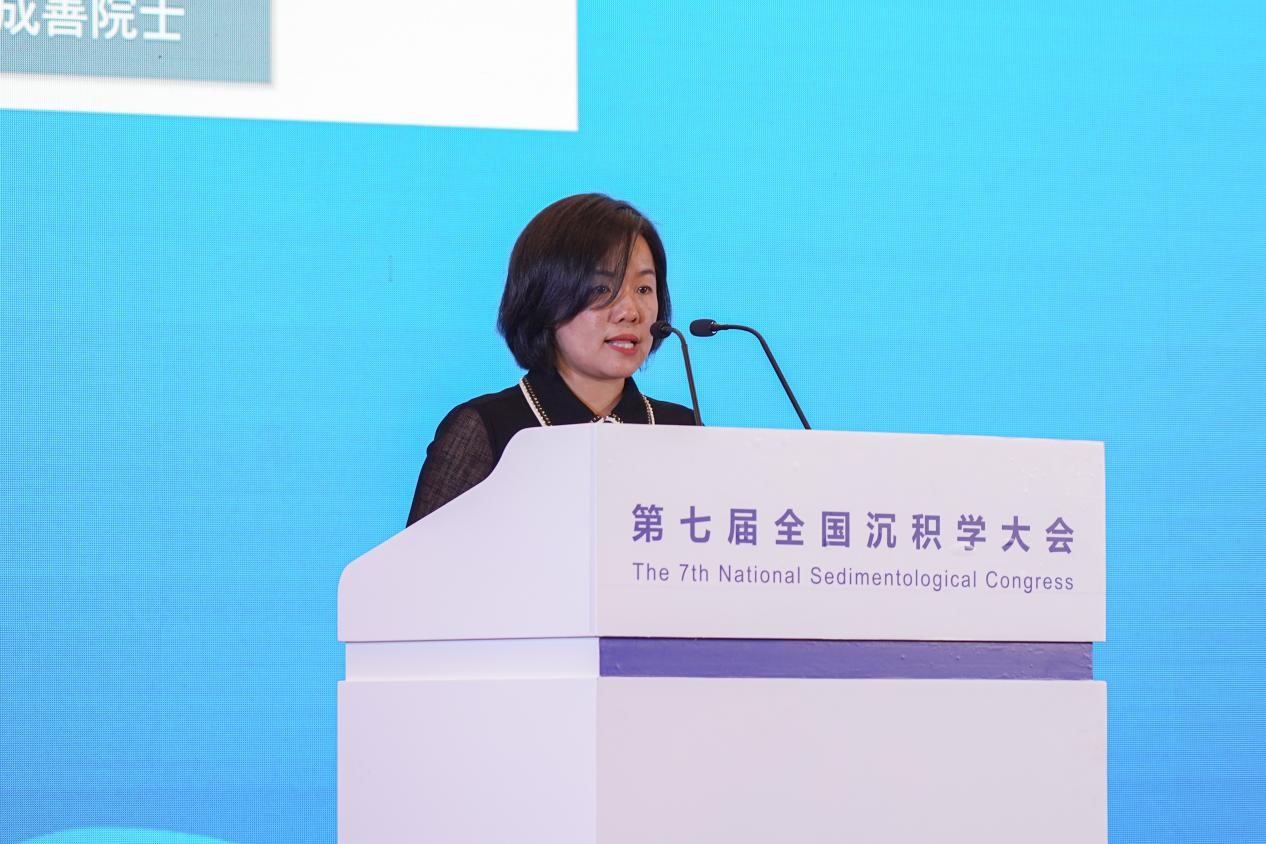
Ma Suping Giving a Report
Before the special salon, a welcome reception was specially arranged for guests and friends from all over the country. On the reception site, members of the student art troupe organized by CDUT's CYLC committee brought wonderful shows through solo and ensemble performances using piano, violin, saxophone, guitar and other instruments, which fully presented the aesthetic education achievements of CDUT and the positive mental outlook of university students in the new era. Their shows received unanimous praise from the guests on site.
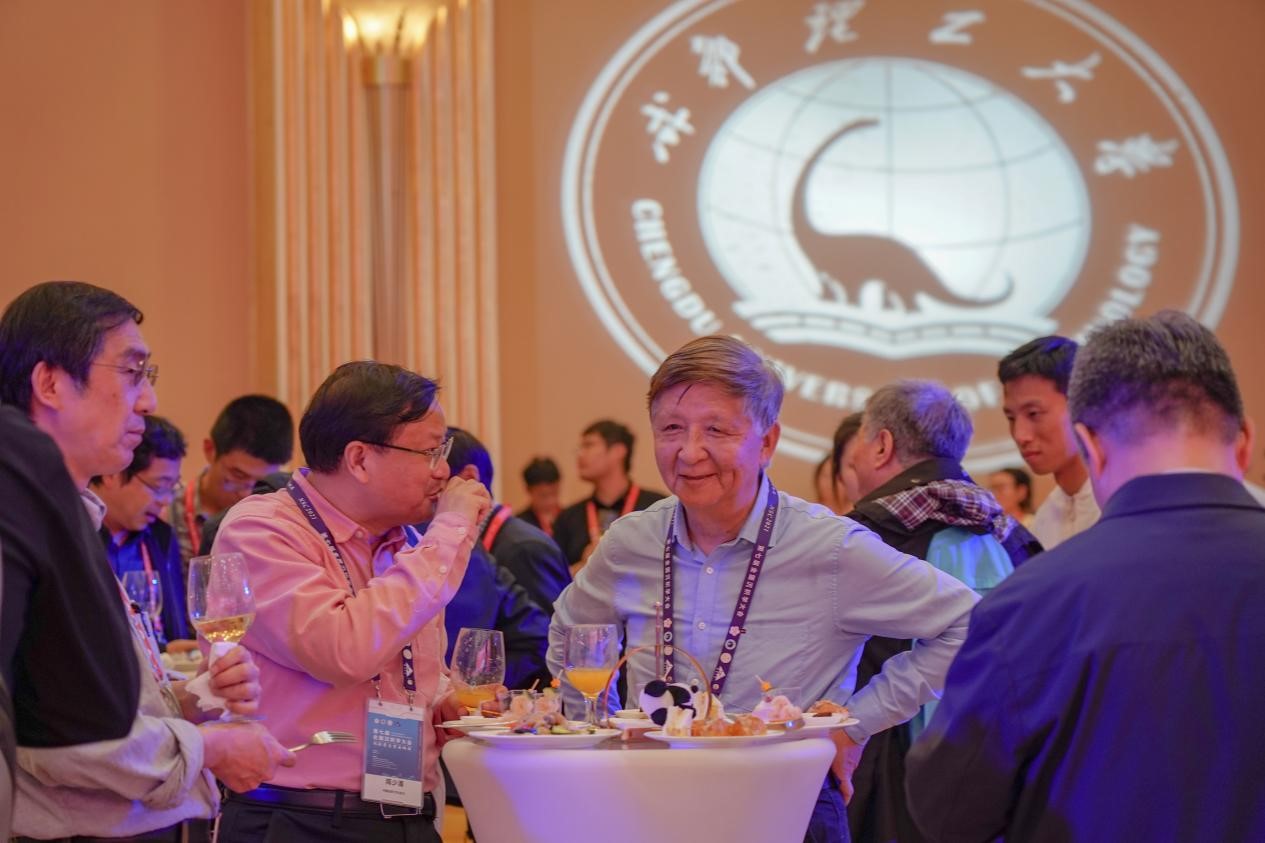
Welcome Reception Site Photo 1
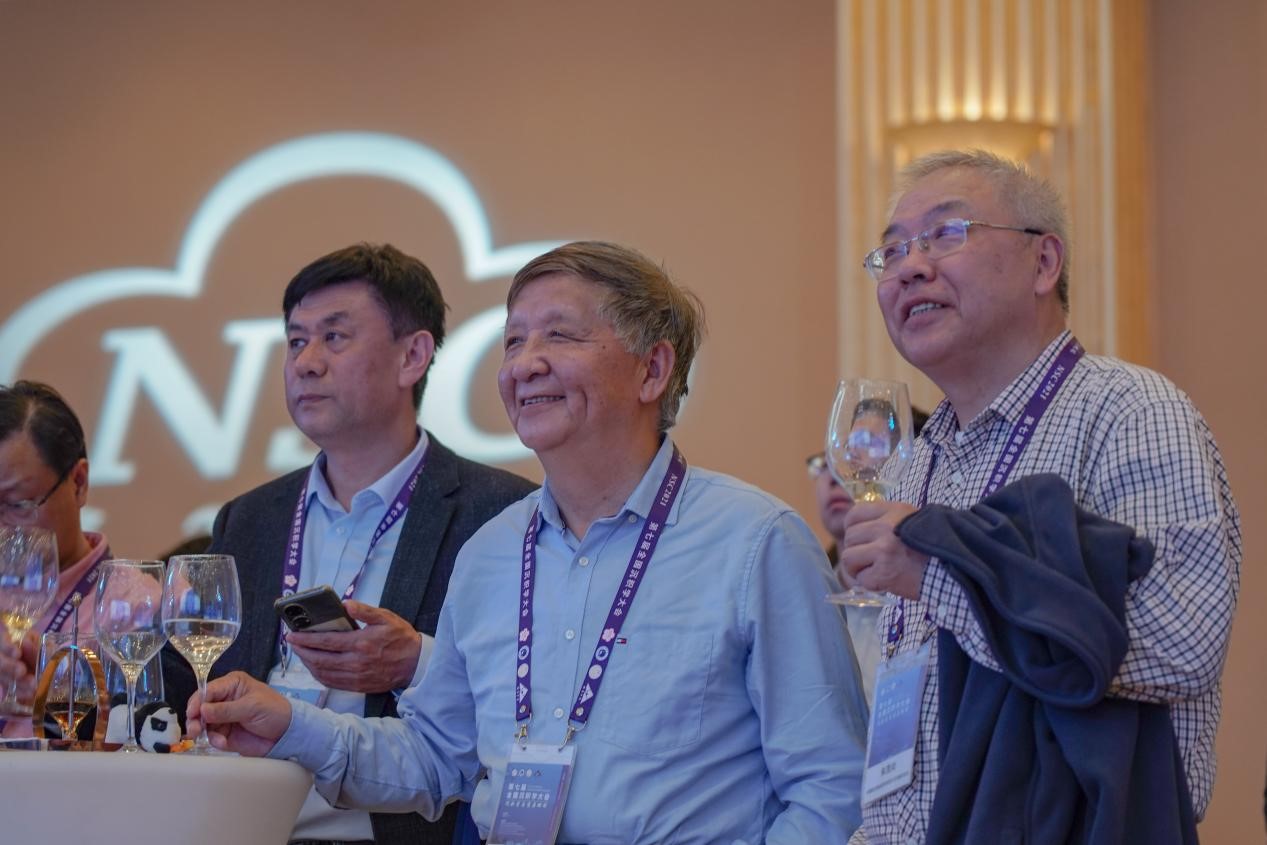
Site Photo 2
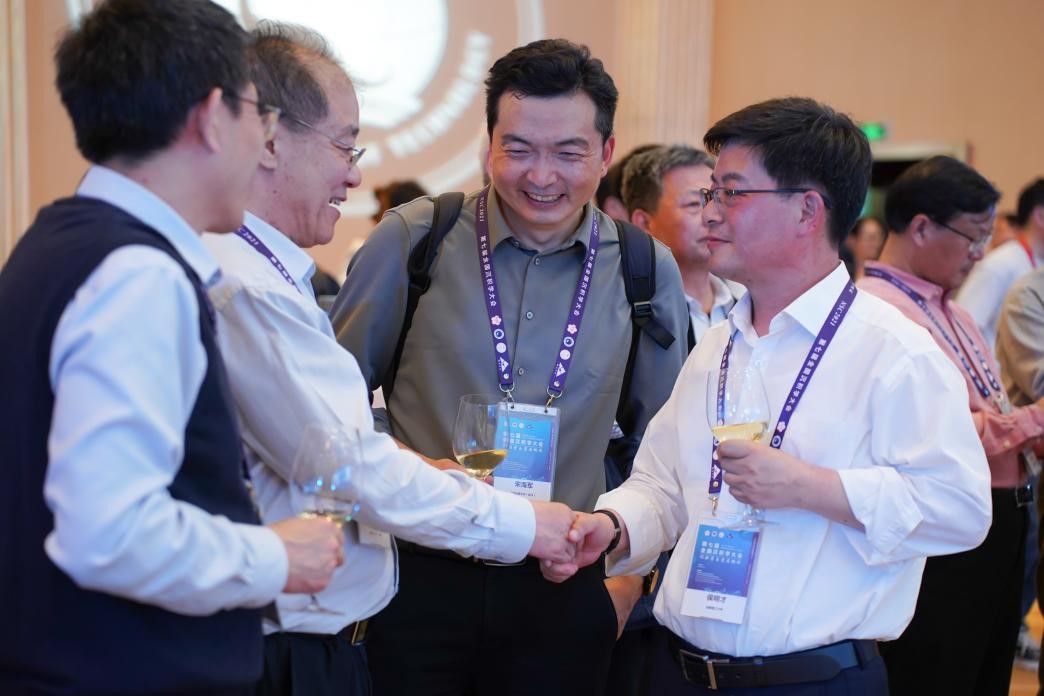
Site Photo 3
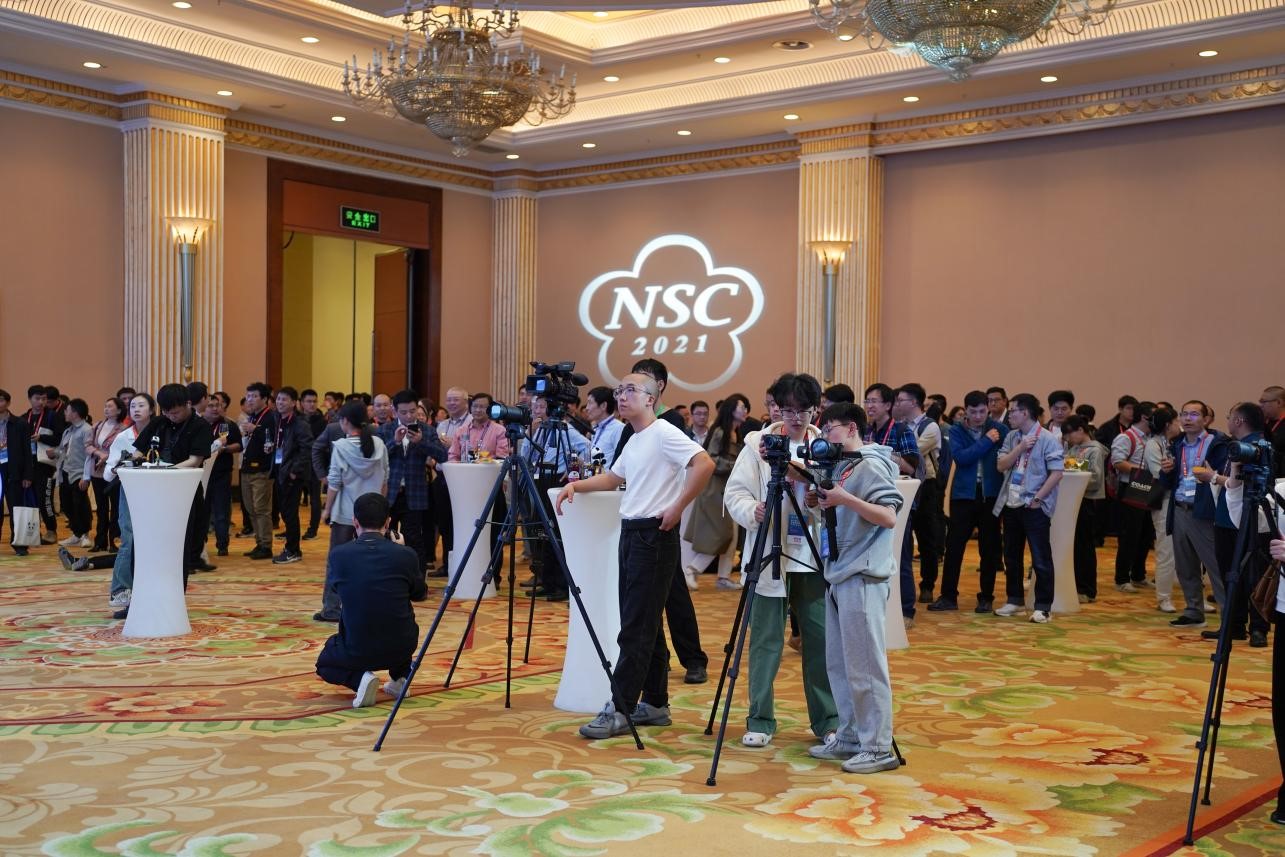
Site Photo 4
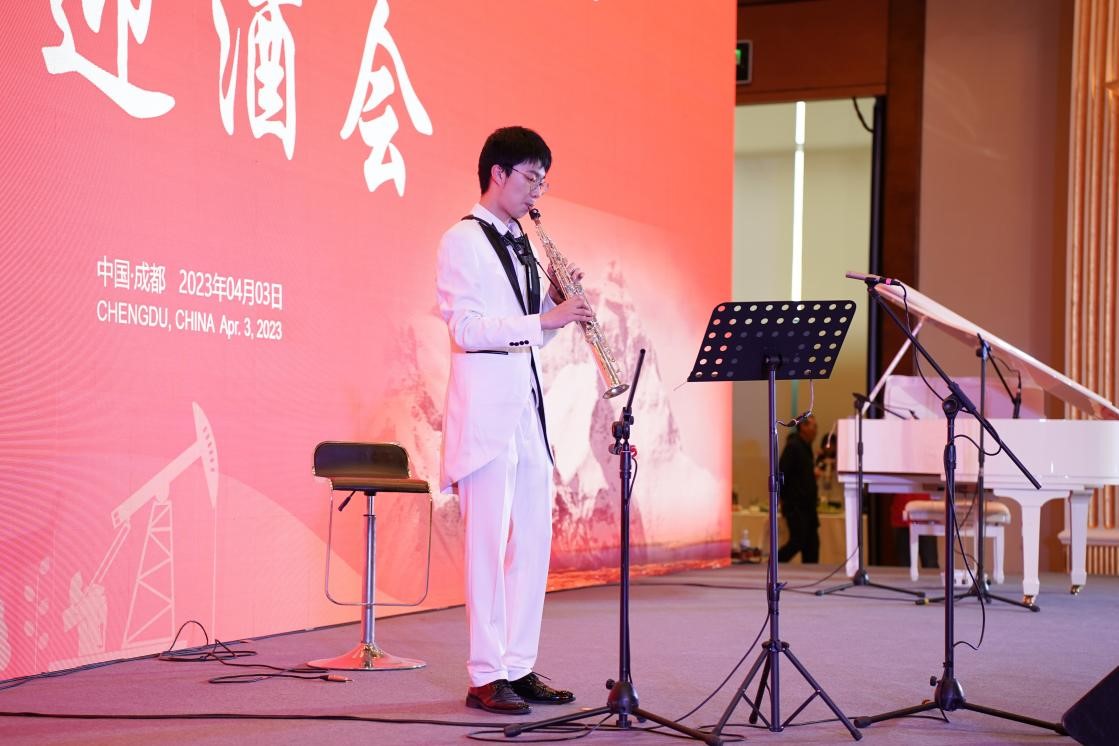
Site Photo 5

Site Photo 6
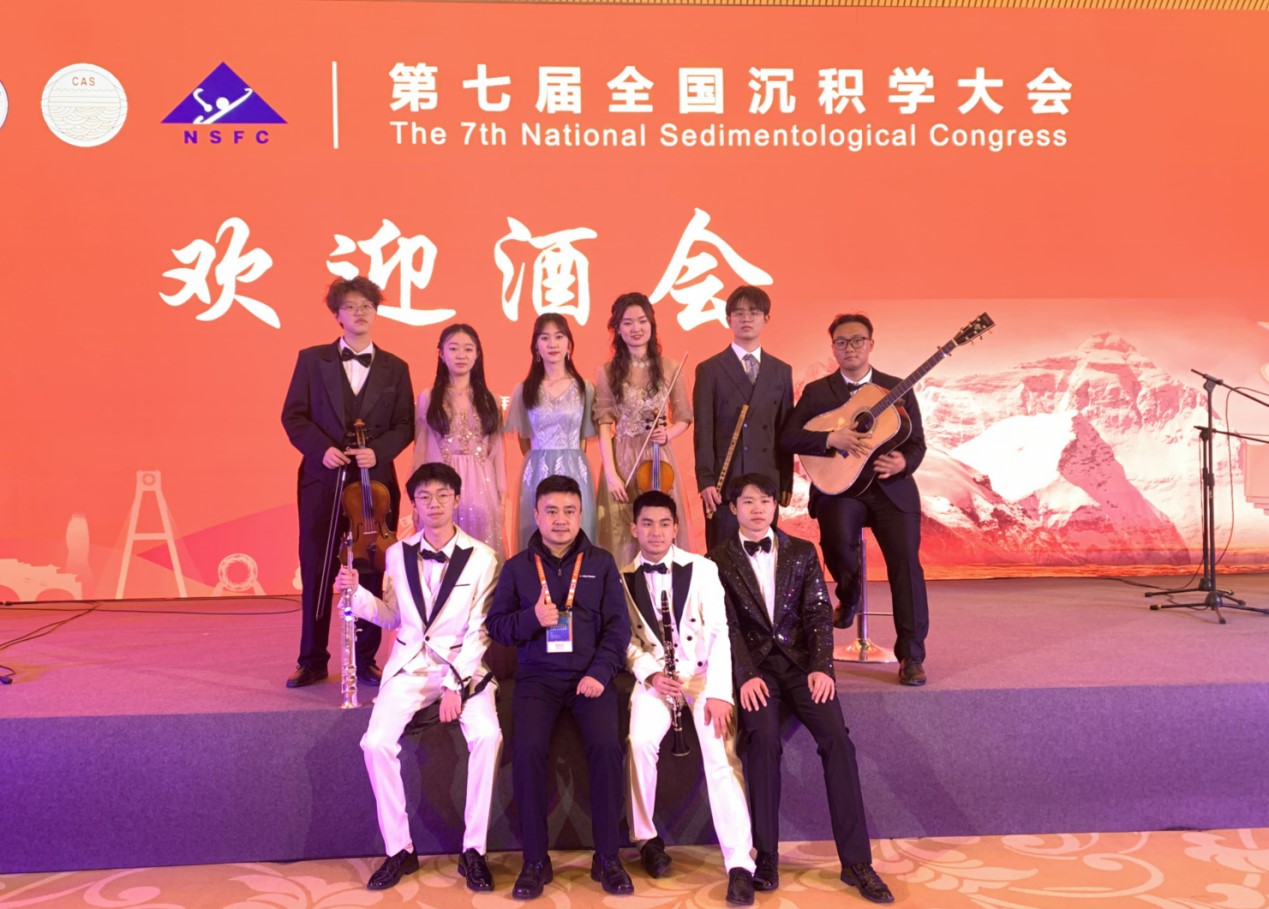
Group Photo of the Art Troupe